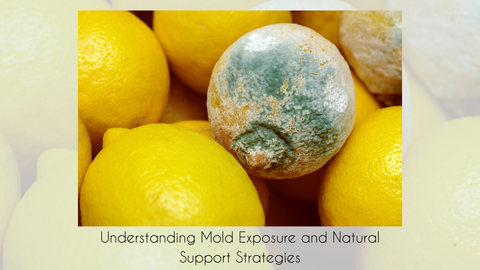
Mold growth at home can happen at any time of year, but there is often an increase during late summer and early fall when humidity and temperature conditions are favourable. Research suggests that approximately 25 to 50% of buildings in North America show some degree of water damage, which creates an environment where mold can thrive.
Mold spores are highly adaptable. When they land on surfaces that provide moisture and nutrients, they can germinate within 24 to 48 hours. Once established, mold not only grows but also produces metabolic by-products, including harmful compounds known as mycotoxins. Common indoor molds are Aspergillus, Penicillium, Cladosporium, Ulocladium, Acremonium, and Stachybotrys chartarum.
Mycotoxins can enter the body through the air, digestive tract, skin, or eyes. Once inside, they may stimulate the production of pro-inflammatory cytokines, which can set off a cycle of immune activation. Some clinicians describe this as part of a broader condition known as Chronic Inflammatory Response Syndrome (CIRS), a framework that proposes ongoing inflammation in response to biotoxin exposure. This concept highlights how repeated exposure to mold toxins may overwhelm the body’s ability to clear them. Over time, this ongoing inflammatory signalling can contribute to reduced resilience, difficulty tolerating environmental or dietary triggers, and wide-ranging symptoms that sometimes resemble conditions such as fibromyalgia.
Reported symptoms of mold-related illness include:
- Fatigue and weakness
- Headaches
- Temperature dysregulation
- Sharp, ice-pick type pains
- Tremors
- Excessive thirst
- Skin sensitivity, such as eczema or psoriasis
- Bladder irritation
- Morning stiffness
- Tingling sensations
- Blurred vision

Who Is More Vulnerable to Mold Exposure?
Most molds encountered in daily life are relatively harmless to healthy individuals, though they may still cause allergic reactions or respiratory irritation in sensitive people. However, certain species of mold can produce mycotoxins, toxic secondary metabolites that, in significant amounts, have the potential to negatively affect human health. The impact depends on the type of mold, the level and duration of exposure, and the individual’s underlying health.
Mold is often difficult to detect with the naked eye, and most of us have been exposed at some point, whether through our living environment or even from certain foods such as peanuts, grains, or coffee. However, not everyone reacts to mold in the same way. Sensitivity depends on factors such as genetics, immune resilience, and overall health. Certain groups of individuals may be more vulnerable to health challenges related to mold exposure, including:
-
People with asthma: mold spores can act as triggers, leading to increased coughing, wheezing, or shortness of breath.
-
Individuals with chronic obstructive pulmonary disease (COPD): pre-existing lung conditions may make it harder to clear mold spores from the airways, worsening respiratory symptoms.
-
Those living in high-humidity environments: damp indoor spaces create an ideal breeding ground for mold.
-
Spaces with poor ventilation: basements, bathrooms, and areas without proper airflow may trap moisture and encourage growth.
-
Workplace exposures: jobs in agriculture, construction, libraries, or buildings with prior water damage may carry higher risk.
Even within these groups, the degree of response can vary. Some people may only experience mild irritation, while others develop more persistent symptoms due to differences in immune response and detoxification capacity.
Addressing Mold Exposure: From Environment to Natural Supports 
One of the challenges with mold is that ongoing exposure can make treatment less effective. To illustrate this, think of it like patching holes in a sinking boat without ever leaving the water. You may keep afloat for a short time, but the leaks continue and the damage worsens. Similarly, staying in a mold-contaminated environment undermines recovery because the body is continually re-exposed. The very first step in recovering from mold exposure is to reduce or eliminate contact with the contaminated environment.
The Role of Binders
Once exposure is reduced, binders can play an important role. These substances work by binding mycotoxins in the gut, preventing their reabsorption and supporting elimination through stool. Think of them as sponges or magnets that help “soak up” toxins before they can cycle back into the body.
What makes binders fascinating is that they are not all the same. Different binders have affinities for different mycotoxins, so the most effective choice depends on which toxins are present. The chart above illustrates this concept.
Here are some of the best-studied binders:
-
Saccharomyces boulardii: a probiotic yeast that acts as a gentle binder. It may attach to a variety of mycotoxins while also supporting gut health.
-
Activated Charcoal: well known for its porous structure that traps substances. Studies suggest it can bind ochratoxin A (OTA) and macrocyclic trichothecenes. It acts like a highly absorbent sponge, drawing toxins into its pores and carrying them out through the stool.
-
Modified Citrus Pectin (MCP): a complex carbohydrate that may support detoxification.
-
Bentonite Clay: used for centuries for detoxification. Its fine particles can trap aflatoxins and zearalenone (ZEA). Caution is advised with long-term use because bentonite clay may interfere with calcium absorption and thyroid hormone activity.
-
Chlorella: a nutrient-dense green algae that binds gently to aflatoxins and OTA. Unlike stronger binders, it can be taken long term as part of a supportive plan.
-
Humic Acid: naturally occurring compounds in soil and plants that may help capture and neutralize certain toxins.
 .
. 

Supporting the Sinuses
Because mold can colonize the sinuses, this area is sometimes considered a reservoir for ongoing exposure. Strategies to break down biofilms or resistant organisms may include antifungal nasal sprays or nebulized agents such as glutathione or colloidal silver, ideally guided by a knowledgeable practitioner.
Building Immune Resilience
Since mycotoxins can stress multiple systems in the body, it is essential to bolster immune and detoxification pathways:
-
Oregano: contains terpenoid phenols with potent antifungal properties that may help inhibit mold growth.
-
Turmeric: supports liver function and reduces inflammation due to the active compound: Curcumin. It can help modulate the body's detoxification and antioxidant pathways which can be overwhelmed during mold toxicity.
-
Glutathione: the body’s master antioxidant by neutralizing oxidative stress and detoxifying environmental toxins.
-
N-Acetylcysteine (NAC): a precursor to glutathione that supports detox pathways. Evidences have shown that it can protect organs and enhance cellular defence against mycotoxin-induced oxidative stress.
-
Milk Thistle: This herb is good for protecting a traditional herb known for its ability to protect and regenerate the liver. The active component: Silymarin, can support cellular repair and antioxidant activity in the liver.
Diet and Nutrition
Digestive issues are common in individuals dealing with mold-related illness, as mycotoxins can place stress on the gut and immune system. An anti-inflammatory diet may help calm irritation, support detoxification pathways, and strengthen resilience. This often includes focusing on fresh vegetables, fruits, lean proteins, healthy fats, and fibre-rich foods that support gut health.
It is equally important to be mindful of foods that may contain mold or mycotoxins. Items to limit or avoid include:
-
Bread and baked goods: these can develop mold quickly, especially if not stored properly.
-
Dried fruits: a common source of mold contamination during processing or storage.
-
Nuts (especially peanuts and pistachios): these are particularly prone to aflatoxin contamination.
-
Certain cheeses: soft cheeses and those made with mold cultures can sometimes pose issues.
-
Processed meats: may be exposed to molds during curing or storage.
-
Cereals and grains: can harbour mycotoxins if stored in humid conditions.
It is also important to make a distinction: some molds are intentionally used in food production, such as those in blue cheese or brie. These specific molds are generally considered safe for most people. In contrast, spoilage molds, the kind that grow on old bread or improperly stored nuts, can produce mycotoxins that may make food unsafe.
Final Thoughts
Mold exposure can be overwhelming because it affects multiple systems in the body and recovery requires patience. Avoiding the source of exposure remains the foundation of treatment. With additional natural supports, including binders, herbs, antioxidants, and gut restoration, it may be possible to reduce the toxic burden and support the body’s resilience.
About the author:

Hi, I’m Abinaa, a fourth-year naturopathic medical student at the Canadian College of Naturopathic Medicine with a deep-rooted passion for natural healing, inspired by my South Asian upbringing. Through this blog, I hope to share my journey, explore topics in holistic health and wellness, and offer simple, thoughtful insights that support a more balanced and mindful way of living.